The Truth About Hantavirus and Pasadena Attics

The Truth About Hantavirus and Pasadena Attics

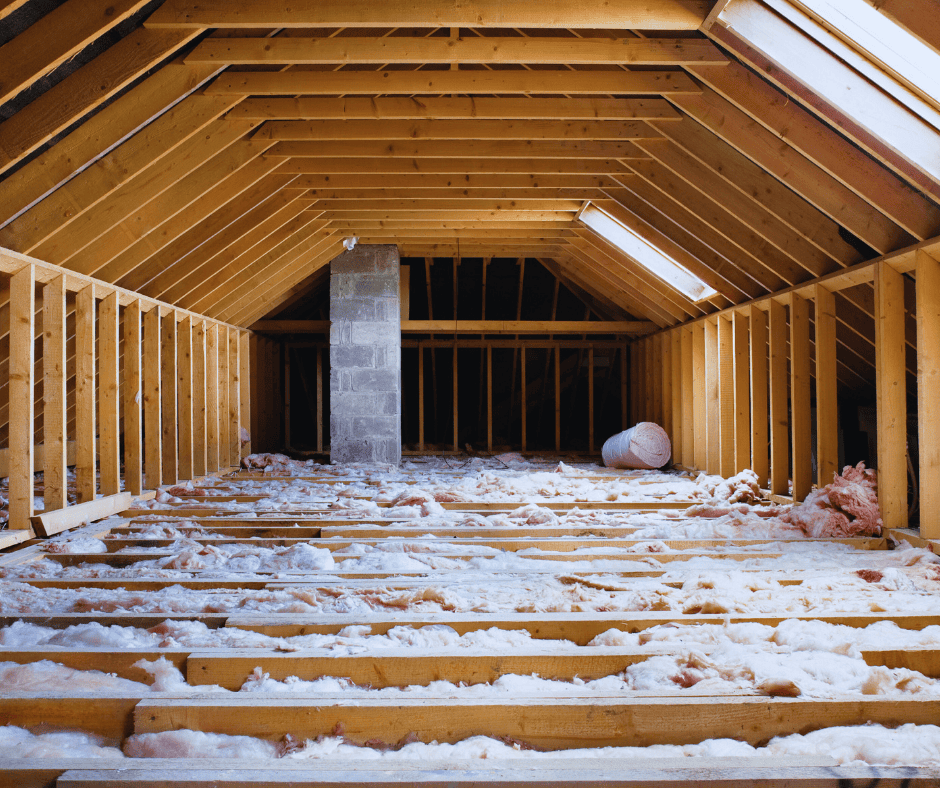
A homeowner in Bungalow Heaven hears a faint scratching sound in the ceiling at 2 AM, ignores it for three weeks, eventually pulls down the attic ladder on a Saturday morning to investigate, and finds a layer of dark pellets scattered across the original 1923 fiberglass batts. She bags up what she can see, runs the vacuum, and assumes the problem is handled. What she does not know is that dried rodent urine and dropping particles can become airborne the moment the insulation is disturbed, and that the deer mouse species responsible for hantavirus pulmonary syndrome lives across Los Angeles County including the foothills above Pasadena. The cleanup she just performed without protective equipment exposed her to the exact airborne particle pathway the California Department of Public Health and the CDC warn against, and it is the reason professional attic cleaning in Pasadena, CA exists as a specialty service rather than a DIY job.

Hantavirus is rare. It is also serious enough that public health agencies treat any rodent contamination in an enclosed space as a hazardous cleanup situation requiring specific protocols. Pasadena attics, particularly those in older homes across Bungalow Heaven, Madison Heights, Garfield Heights, and the foothill neighborhoods near the San Gabriel Mountains, sit squarely in the geographic range where the risk is real. Pure Eco Inc. handles attic cleaning in Pasadena, CA across the full zip code grid (91101, 91103, 91104, 91105, 91106, 91107) and the broader San Gabriel Valley with HEPA-filtered extraction equipment and OSHA-compliant safety protocols specifically designed for rodent waste removal.

Pasadena Foothills Sit in Deer Mouse Territory

The deer mouse species that carries the Sin Nombre hantavirus lives across Los Angeles County, with foothill neighborhoods of Pasadena (Linda Vista, San Rafael Heights, the upper sections of Hastings Ranch, and the area approaching Altadena) sitting at the wildland-urban interface where the species is most active.

Hantavirus Mortality Runs Near Forty Percent

Hantavirus pulmonary syndrome has a mortality rate of approximately 38 percent according to documented case data, with no specific antiviral treatment available. Survival depends on early hospital admission and supportive care, which is why public health agencies treat any rodent contamination cleanup as a serious exposure scenario.

Roof Rats Enter Pasadena Attics Through Half-Inch Gaps

Roof rats can enter attics through openings as small as 1/2 inch and climb power lines, fence boards, and tree branches to reach roof-level entry points. A single breeding pair produces five to eight pups per litter with up to six litters per year, which means an undetected entry can become a 20-rat infestation within 12 months.

What Hantavirus Actually Is and Why Pasadena Attics Matter

Hantavirus is a virus carried by wild rodents, transmitted to humans primarily through inhalation of contaminated air particles. The California Department of Public Health describes the transmission pathway directly: particles containing hantavirus get into the air when dried mouse urine, saliva, or droppings are stirred up. The chances of this happening increase when opening or cleaning closed spaces where mice are present. An attic that has been quiet for months, sealed off behind a folding stair, with rodent activity that homeowners did not detect, is exactly the closed-space scenario the CDPH warning describes and exactly the situation professional attic cleaning in Pasadena addresses with proper containment and equipment.

The specific virus of concern in Western U.S. states including California is the Sin Nombre virus, which causes hantavirus pulmonary syndrome (HPS). The disease has a mortality rate of approximately 38 percent according to documented case data. Symptoms appear one to eight weeks after exposure and start as flu-like fever, headache, muscle aches, nausea, and fatigue, then progress to severe respiratory distress as the lungs fill with fluid. There is no specific treatment, only supportive care. Early medical intervention improves survival odds, but recognizing exposure requires the patient or their physician to connect the symptoms to a recent attic cleanup or rodent encounter, which is rarely the first thing anyone considers.

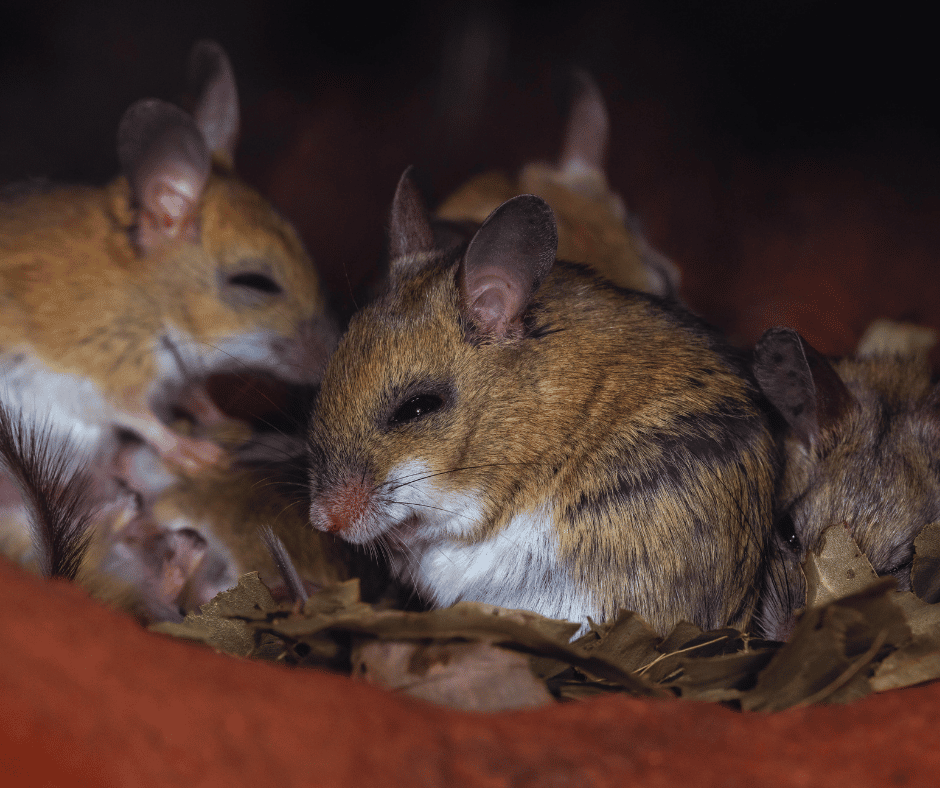
The deer mouse (Peromyscus maniculatus) is the primary hantavirus carrier in California. Deer mice live across Los Angeles County including the foothill communities surrounding Pasadena. They prefer rural and semi-rural environments with vegetation cover, which describes large portions of Pasadena's mountain-edge neighborhoods including Linda Vista, San Rafael Heights, the area near Eaton Canyon, and the upper sections of Hastings Ranch. Roof rats (Rattus rattus) are far more common in Pasadena attics overall and do not carry the Sin Nombre hantavirus, but the ambiguity at the time of discovery is the problem. A homeowner staring at droppings on attic insulation cannot tell from visual inspection whether the source is a roof rat (no HPS risk) or a deer mouse (real HPS risk), and that ambiguity is why every attic cleaning in Pasadena should be treated as a potential biohazard situation rather than a routine cleaning task.

Why Pasadena Housing Stock Concentrates the Risk

Pasadena housing skews older than the Los Angeles average. A substantial share of single-family homes in Bungalow Heaven, Garfield Heights, Madison Heights, and Orange Heights were built between 1900 and 1940, with mid-century construction filling out East Pasadena and Hastings Ranch through the 1950s and 1960s. Many of these homes have original or first-replacement attic insulation that has accumulated 50 to 120 years of exposure to whatever entered through unsealed vents, eave gaps, fascia penetrations, and attic access hatches. This housing age profile is the primary reason demand for professional attic cleaning in Pasadena, CA runs higher than demand in newer Los Angeles County submarkets like Porter Ranch or West Hills.

The attic ventilation systems in these older homes were typically built with simple wood louvered gable vents, basic soffit vents, and minimal screening. The screening that was originally installed has corroded, separated from its frame, or been chewed through over the decades. Rodent-grade exclusion screening (1/4-inch galvanized steel mesh) is a 1990s and later specification that older Pasadena homes do not have unless someone has specifically retrofitted it.

The foothill neighborhoods present additional risk. Homes near the San Gabriel Mountains in Linda Vista, San Rafael Heights, Hastings Ranch, and the area approaching Altadena (zip 91001) sit at the wildland-urban interface where deer mouse populations are present. Homes built into hillsides with daylight basements or stilted construction create additional under-floor and crawl space pathways that connect attics to the broader rodent ecosystem outside.

The other Pasadena housing detail that matters is attic access. Many Bungalow Heaven Craftsman homes were built with small attic spaces accessed through a closet hatch or pull-down stair. These low-headroom attics force any cleanup work to be done at close range with the worker's face within 12 to 24 inches of the contaminated insulation surface. The same conditions that make DIY cleanup uncomfortable also dramatically increase exposure risk because the worker breathes air directly above the disturbance zone, and they are the conditions that justify hiring a contractor for attic cleaning in Pasadena rather than attempting the work in a respirator from the local hardware store.

How Hantavirus Particles Become Airborne

Dried rodent urine forms crystalline deposits on insulation fibers, ceiling drywall, attic floor surfaces, and any stored items in the attic. Droppings dry and become brittle, breaking apart with light contact. Both materials release fine particles into the air the moment the substrate is disturbed. Walking across attic insulation , vacuuming with a standard household vacuum (which exhausts contaminated air back into the room rather than capturing it), brushing against a contaminated surface, or pulling out an old box for inspection can all generate aerosolized particles.

The particle size matters. Hantavirus particles ride on dust fragments small enough to bypass nasal filtration and reach the lungs directly. Standard dust masks (N95 or surgical masks) provide partial protection but were not specifically designed for biohazard-level particle filtration. Professional attic cleaning in Pasadena, CA uses P100 respirators and HEPA-filtered equipment that captures particles down to 0.3 microns at 99.97 percent efficiency. The difference between consumer-grade and professional-grade equipment is the difference between containing the contamination and spreading it through the worker's breathing zone.

The CDPH-recommended cleanup protocol for confirmed rodent contamination involves airing the space for 30 minutes before entering, wetting all contaminated surfaces with bleach solution before any cleanup activity, wearing rubber gloves and a properly fitted respirator, and double-bagging all contaminated material for sealed disposal. Sweeping and vacuuming with standard equipment is explicitly warned against because both activities generate aerosols. The protocol exists because the alternative (dry cleanup with standard equipment) has documented case-history connections to actual hantavirus infections.

The Pasadena Attic Cleaning Sequence Pure Eco Follows

A professional attic cleaning in Pasadena, CA starts with assessment. The technician inspects the attic space without disturbing surfaces, identifies the extent of rodent activity through droppings density and nesting patterns, locates active or recent entry points along soffits, eaves, gable vents, plumbing penetrations, and roof-wall intersections, and documents the insulation condition for the work scope.

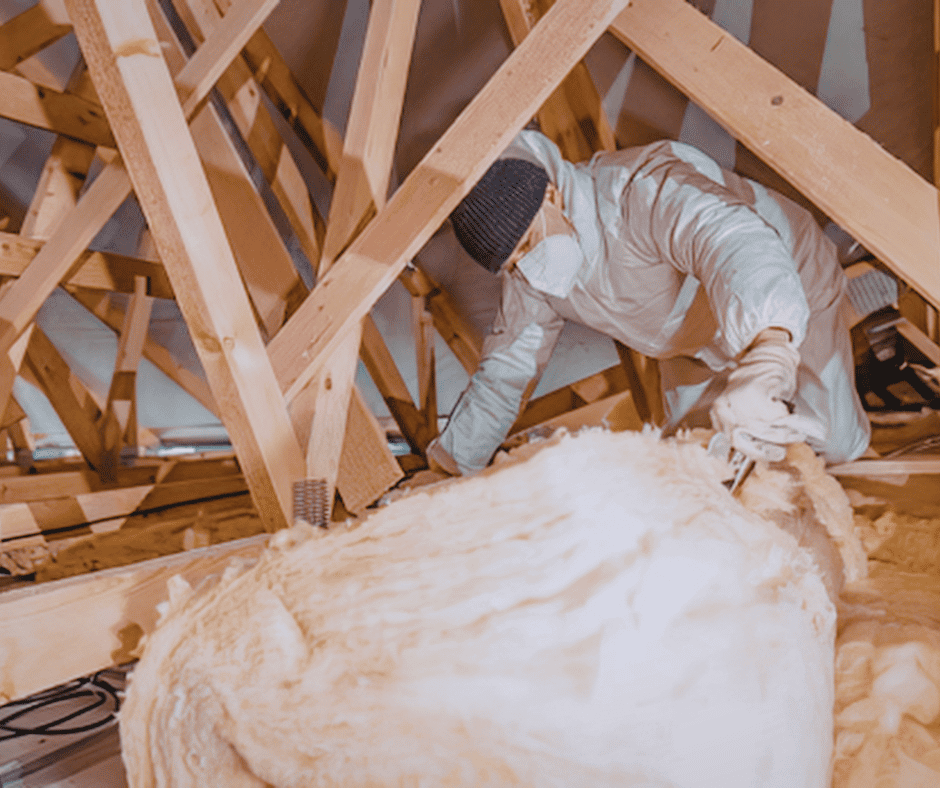
The next phase is containment. Plastic sheeting protects the path from the attic access to the exterior of the home. Negative air pressure equipment (HEPA-filtered air scrubbers running while the work is in progress) prevents contaminated air from migrating into the conditioned living space below. Workers wear full personal protective equipment including P100 respirators, disposable coveralls, and gloves rated for biohazard contact.

Removal of contaminated insulation uses commercial-grade insulation removal vacuums (typically gas-powered units producing 23 horsepower with 150-foot suction hoses). The contaminated material moves directly from the attic into sealed bags or directly into a sealed container on a service vehicle outside the home, which eliminates the indoor handoff that would happen if the contractor used buckets and trash bags. After bulk removal, attic surfaces (floor joists, drywall ceiling top, exposed framing) get a wet sanitization treatment with EPA-approved antimicrobial agents that kill hantavirus, leptospirosis bacteria, salmonella, and other rodent-associated pathogens.

Deodorization addresses the urine crystals that produce ammonia odor as they break down. Enzymatic cleaners specifically target the urea compounds that retain odor for years if untreated. Antimicrobial fogging treats hard-to-reach surfaces along the roof deck and rafters where standard wet application cannot reliably contact every surface.

Rodent proofing follows the cleanup as a single integrated workflow rather than a separate visit, which is why proper attic cleaning in Pasadena bundles exclusion work into the same project. Soffit vents get re-screened with 1/4-inch galvanized steel mesh. Gable vents get the same treatment. Eave gaps get sealed with rodent-grade foam and mortar. Plumbing and electrical penetrations through the attic floor get sealed. Roof-wall intersections get inspected and closed where gaps exist. Without this proofing step, replacement insulation gets contaminated again within months because the original entry pathways remain open.

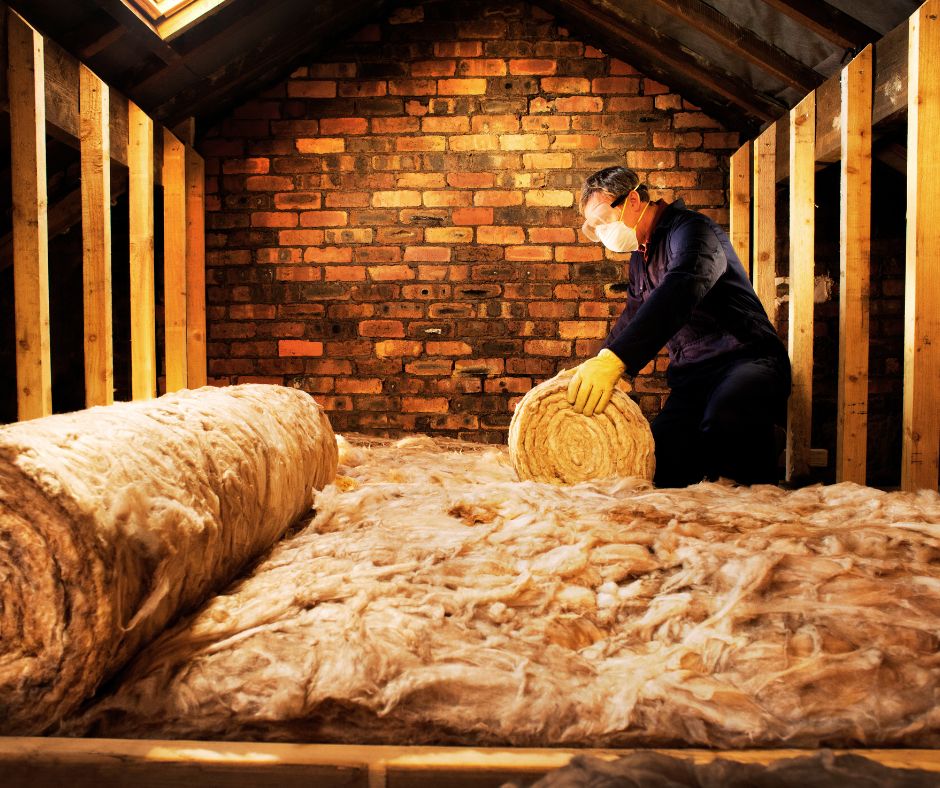
Replacement insulation follows the proofing. Pure Eco installs blown-in cellulose, blown-in fiberglass, or batt insulation depending on the homeowner's preference, the existing attic conditions, and the Title 24 R-value requirement for the project type. Pasadena attics fall under California Title 24 Climate Zone 9 with R-30 minimum for retrofits and R-38 standard target for full insulation upgrades. Pure Eco documents the work for permit purposes and for LADWP and SoCalGas rebate eligibility where applicable.

The Cost Context for Pasadena Attic Cleaning

Attic insulation replacement in Pasadena typically runs $1.50 to $6 per square foot depending on the insulation material, the extent of contamination, and the access difficulty. A standard 1,000 square foot Pasadena attic generally costs between $2,200 and $3,000 for insulation replacement alone. Attic cleaning in Pasadena, CA adds to this base cost depending on the contamination severity. A light contamination case (occasional rodent activity, contained area) may add 20 to 40 percent to the insulation replacement cost. Heavy contamination requiring full HEPA decontamination, antimicrobial treatment, and integrated rodent proofing typically runs 60 to 100 percent above the insulation-only cost.

The hidden cost most Pasadena homeowners do not factor in is the medical exposure cost of attempting DIY cleanup without professional equipment. Hantavirus pulmonary syndrome treatment requires intensive care unit admission with a typical hospital course of one to three weeks at costs that routinely exceed $100,000 even with insurance coverage. The 38 percent mortality rate means roughly four out of ten patients who develop HPS do not survive even with hospital treatment. A $3,000 to $6,000 professional attic cleaning cost is small relative to the medical and life-safety stakes of getting it wrong.

Insurance coverage for attic cleaning in Pasadena, CA is variable. Some homeowner policies cover rodent damage cleanup if the infestation can be tied to a specific covered peril (storm damage that opened an entry point, for example). Most policies exclude rodent damage from standard coverage because rodent infestation is treated as a maintenance issue rather than a sudden loss. Pure Eco provides documentation that homeowners can submit to their insurance carrier for coverage determination, but the conservative assumption is that the cleanup is an out-of-pocket expense.

What Other Diseases Pasadena Homeowners Should Know About

Hantavirus gets the attention because of its mortality rate, but it is not the only health risk in a contaminated attic. Leptospirosis spreads through rodent urine contact and causes liver and kidney damage in humans. Salmonella contamination from rodent droppings can spread to kitchen surfaces if attic-to-living-space pathways exist. Rat-bite fever transmits through bites and scratches but also through contact with rodent saliva on contaminated surfaces. Plague (Yersinia pestis) is rare but documented in California, transmitted through fleas that live on infected rodents.

The asthma and allergy connection is also significant. Scientific studies have established that exposure to rodents aggravates symptoms associated with asthma. The National Center for Healthy Housing has documented that approximately 20 percent of children with asthma in U.S. inner-city areas were sensitized to rats, with 15 percent sensitized to mice. Mouse allergen has been found in 82 percent of U.S. homes in survey research. A Pasadena home with active or recent rodent activity in the attic almost certainly has elevated allergen levels in the air handler intake and the duct system, which means the HVAC system is distributing rodent allergens throughout the conditioned living space whether the homeowner knows it or not.

Fire risk from gnawed wiring is the non-disease concern that justifies professional attic cleaning on its own merits. Rodents gnaw on electrical wire insulation as part of normal incisor maintenance behavior, which exposes copper conductors to short-circuit conditions. One industry estimate attributes approximately 20 percent of U.S. house fires to rodent damage to electrical wiring. A Pasadena attic with documented rodent activity has elevated fire risk that does not resolve when the rodents leave because the damaged wiring remains in place until inspection and repair.

The Roof Rat Problem Specific to Pasadena

Roof rats dominate the Pasadena rodent ecosystem. They are excellent climbers, prefer elevated nesting sites (which is why attics are their primary target), and feed on the abundant fruit trees throughout Pasadena yards. Citrus, avocado, and stone fruit trees common across South Pasadena, San Marino, and the older Pasadena residential neighborhoods provide year-round food sources that sustain large roof rat populations.

Roof rats enter attics through openings as small as 1/2 inch. They climb power lines, fence boards, tree branches, and exterior wall siding to reach roof-level entry points. Once inside, a single breeding pair produces five to eight pups per litter with up to six litters per year, which means a single undetected rat entry can become a 20-rat infestation within 12 months.

Pasadena's tree canopy concentrates the problem. Mature trees in Bungalow Heaven, Madison Heights, and the older neighborhoods provide elevated bridges to roof lines that bypass any ground-level rodent prevention. Trim work that keeps tree branches at least three feet from rooflines is the primary preventive measure homeowners can take, but enforcement is inconsistent and many Pasadena lots have decades of unmaintained tree growth that creates direct rodent highways to the attic.

What a Pasadena Attic Cleaning Visit Looks Like in Practice

A scheduled service call from Pure Eco for attic cleaning in Pasadena, CA starts with a free home assessment. A technician arrives at the agreed appointment window, inspects the attic from the access hatch, documents the contamination extent with photos, identifies entry points from inside the attic and exterior of the home, and provides a detailed written estimate before any work begins. The assessment typically takes 30 to 60 minutes depending on attic size and access conditions.

The work itself runs one to three days for most Pasadena projects. Day one covers containment setup, contaminated insulation removal, attic surface cleaning, and rodent proofing of identified entry points. Day two handles antimicrobial treatment, deodorization, and replacement insulation installation. A three-day project typically reflects larger attic square footage (above 1,500 square feet), more severe contamination requiring multiple decontamination passes, or a complex rodent proofing scope with extensive eave and soffit repair.

Pure Eco operates with extended field hours that accommodate working homeowner schedules. Field crews work Monday through Friday from 7 AM to 7 PM, with Sunday coverage from 8 AM to 6 PM, which means homeowners do not need to take time off work to coordinate the project. The office handles scheduling Monday through Friday from 8:30 AM to 6 PM at the 422 S Western Ave location in Los Angeles 90020.

Why Pasadena Homeowners Call Pure Eco for Attic Cleaning

Pure Eco serves Pasadena and the broader San Gabriel Valley from the Los Angeles office at 422 S Western Ave Suite 103 in Los Angeles 90020, with full coverage of the Pasadena zip code grid including 91101 (downtown and central Pasadena), 91103 (northwest Pasadena), 91104 (northeast Pasadena), 91105 (southwest Pasadena and Linda Vista), 91106 (southeast Pasadena and Caltech vicinity), and 91107 (East Pasadena and Hastings Ranch). Adjacent service coverage for attic cleaning in Pasadena, CA includes Altadena, South Pasadena, San Marino, La Cañada Flintridge, Sierra Madre, Arcadia, Glendale, La Crescenta, and the broader Los Angeles County. Title 24 California energy code expertise. California licensed contractor. Fully insured. HEPA-filtered decontamination equipment. P100 respirator and OSHA-compliant safety protocols. EPA-approved antimicrobial agents. Galvanized steel mesh and rodent-grade exclusion materials. Integrated decontamination, rodent proofing, and replacement insulation in a single workflow. Free home assessment with detailed written estimate. LADWP rebate documentation support. SoCalGas rebate documentation support. Manufacturer-backed material warranties on insulation products. Workmanship warranty on installation labor. Six-day operational schedule with Monday through Friday field hours from 7 AM to 7 PM and Sunday coverage from 8 AM to 6 PM. Call (213) 256-0365 to schedule attic cleaning in Pasadena, CA across Bungalow Heaven, Madison Heights, Garfield Heights, Orange Heights, Hastings Ranch, East Pasadena, Linda Vista, San Rafael Heights, and the broader San Gabriel Valley.

Redirect to:

  • From a page move: This is a redirect from a page that has been moved (renamed). This page was kept as a redirect to avoid breaking links, both internal and external, that may have been made to the old page name.


Redirect to:


Frequently Asked Questions


Yes, although the risk is statistically rare it is real enough that the California Department of Public Health and CDC publish specific cleanup protocols for rodent contamination. The deer mouse species that carries the Sin Nombre hantavirus lives across Los Angeles County including the foothills around Pasadena, particularly in neighborhoods near the San Gabriel Mountains like Linda Vista, San Rafael Heights, and the area approaching Altadena. Roof rats are far more common in Pasadena attics and do not carry the same hantavirus strain, but visual inspection cannot reliably distinguish the source of droppings, which is why professional decontamination treats all rodent contamination as a biohazard situation.
The CDPH and CDC explicitly warn against dry sweeping or vacuuming rodent contamination because both activities aerosolize particles that can be inhaled. Standard household vacuums exhaust contaminated air back into the breathing zone rather than capturing it. Recommended DIY protocol includes airing the space for 30 minutes before entry, wetting all contaminated surfaces with bleach solution, wearing rubber gloves and a properly fitted respirator (not a basic dust mask), and double-bagging all material for sealed disposal. For anything beyond a small isolated area, professional decontamination with HEPA-filtered equipment and P100 respirators is the safer path.
Active signs include scratching sounds at night (rodents are nocturnal), fresh droppings that are dark and moist rather than dry and grey, gnaw marks on wood or wiring with light-colored fresh edges, urine staining on insulation that has not yellowed with age, and visible runways through compressed insulation. Inactive contamination shows only old droppings and weathered staining without fresh activity signs. Either way, professional inspection identifies entry points so the attic stays sealed after decontamination, and identifies whether a current population needs exclusion before cleanup begins or whether cleanup can proceed directly.